

GP-1000
For RCA and balanced systems
A dedicated phono stage with level control and balanced or RCA output choices.
Phono preamplifiers
Give your cartridge the gain and equalization it needs. Choose a phono stage around your turntable, your cartridge and the next input in your system.
Where it fits
A cartridge output needs a phono stage before it reaches a normal line input. The phono stage brings it up to line level, around 1 V RMS. The right choice starts with the cartridge type and the connections you already own.
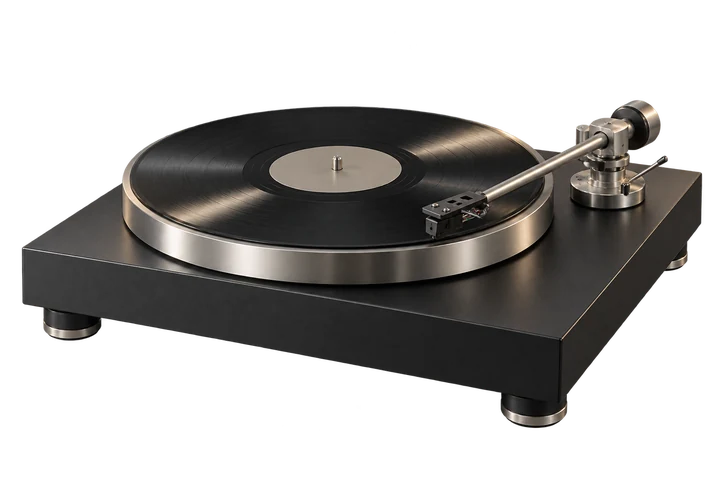 TurntablePhono stage
 Line input
Use one active phono stage in this path. Check the turntable and amplifier manuals for built-in phono stages and bypass settings.
Choose for your system
GP-1000
A dedicated phono stage with level control and balanced or RCA output choices.
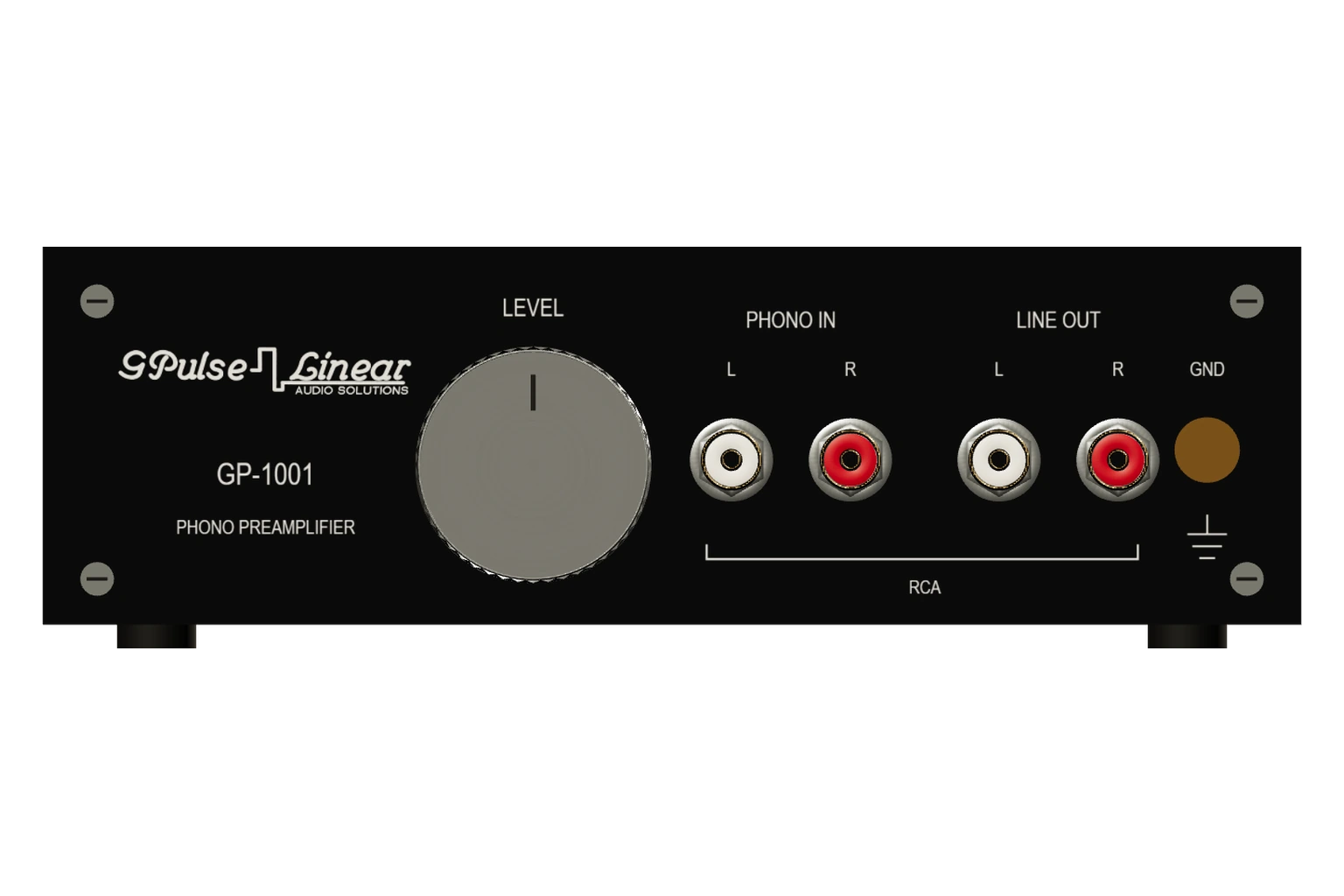
GP-1001
The focused RCA-only option, with switched tonearm resonance and rumble filtering.
Before you choose
Identify moving magnet or moving coil, then check the cartridge maker’s gain and loading guidance.
A phono stage feeds a line input. Confirm whether the next component uses RCA or balanced XLR.
A turntable or amplifier may already supply the phono stage you need. Start there before adding another.
A few useful answers
Only if your system does not already provide a suitable phono stage, or you want to change its functionality. Check the turntable’s output setting and your amplifier’s input labels first.
Start with your cartridge and output requirements. GP-1000 offers balanced and RCA output options; GP-1001 is the RCA-only model. Review each model’s supplied specifications before choosing.
No. An external phono stage connects to a line-level input. Feeding it into another active phono stage applies gain and equalization twice, which adds a second RIAA curve and results in severe distortion and very poor sound.
Keep exploring
Talk through your system
Tell us what you already own and what you want to change. Start with a useful conversation about the right connections.